
Sustainable Events: The Complete Guide to Green Event Management
Sustainable Events: The Complete Guide to Green Event Management
Sustainable event management is no longer a niche concern for festival organisers and charity fundraisers. UK corporate marketing teams, venues, agencies, and in-house event planners are under growing pressure to deliver green events that cut waste and emissions without compromising delegate experience or commercial outcomes. Whether you are planning a 50-person product launch or a 5,000-delegate conference, sustainability in events now sits alongside budget, safety, and accessibility as a core planning discipline.
This pillar page is the hub for sustainable events content on Sustain. It explains what credible eco friendly events look like in practice, maps the standards and frameworks UK organisers use — including ISO 20121 and BS 8901 — and routes you to detailed guides on implementation, catering, event types, and carbon measurement.
Last updated: 24 June 2026 | Reviewed by Sustainability Editor
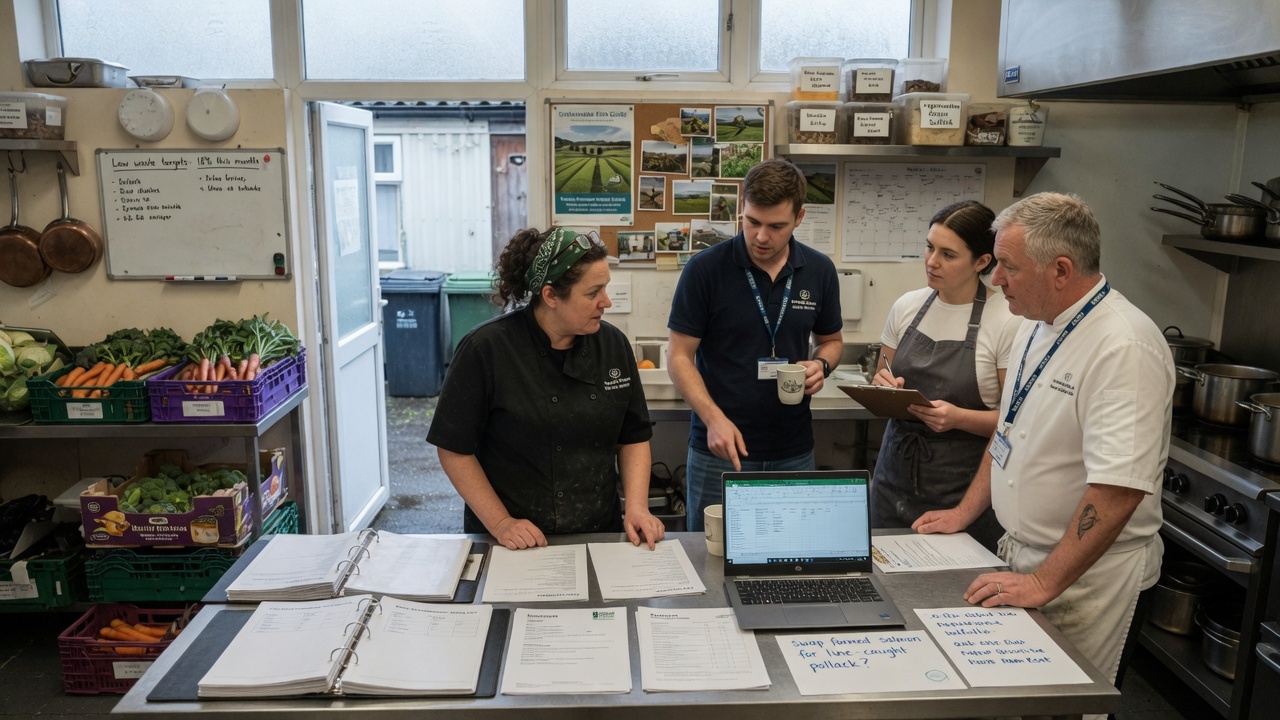
What is sustainable event management?
Sustainable event management is the systematic planning and delivery of events that minimise negative environmental, social, and economic impacts while maximising positive legacy. For UK businesses, it typically covers venue selection, travel, energy, catering, waste, procurement, accessibility, and transparent reporting — aligned with recognised standards such as ISO 20121 and supported by practical guidance from bodies including WRAP and the Events Industry Council.
Key takeaways
- Sustainable event management works best when sustainability is embedded from the first brief — not added as signage and recycling bins in the final week.
- ISO 20121 is the international standard for event sustainability management systems; BS 8901 was the UK precursor and remains a useful reference for British organisers.
- Travel, catering, and energy typically dominate the event carbon footprint; measure before you claim.
- Use an event sustainability checklist across venue, suppliers, communications, and post-event reporting.
- Avoid vague “green event” marketing — align claims with the CMA Green Claims Code and evidence your reductions.
- Start implementation with our step-by-step event sustainability guide, then explore measuring your event carbon footprint.
Topic map: the Sustainable Events pillar
| Area | What you’ll learn | Go deeper |
|---|---|---|
| Core concepts | Definitions, standards, business case | This page |
| Implementation | End-to-end planning checklist | How to make an event sustainable |
| Catering | Food, drink, and food waste | Sustainable event catering |
| Corporate events | Conferences, hybrid formats, business travel | Sustainable conferences |
| Festivals | Outdoor events, waste, UK case studies | Sustainable festivals |
| Measurement | GHG inventory, offsets, reporting | Event carbon footprint |
| Claims compliance | Avoiding greenwashing in event marketing | How to avoid greenwashing |
Why sustainable events matter for UK businesses
Events are high-impact, high-visibility activities. A single conference can generate tonnes of waste, thousands of travel miles, and significant energy demand — while simultaneously shaping how customers, employees, and partners perceive your brand.
Commercial drivers
| Driver | Why it matters |
|---|---|
| Client and tender requirements | Corporate buyers increasingly score events on ESG criteria; agencies that cannot demonstrate capability lose pitches. |
| Brand reputation | Visible waste, single-use plastics, or exaggerated “carbon neutral” claims create reputational risk. |
| Cost efficiency | Waste reduction, digital materials, and smarter travel policies often cut direct spend. |
| Regulatory context | While most events are not directly regulated like SECR-reporting companies, organisers working for large corporates must support client scope 3 emissions reporting. |
| Employee and community expectations | Staff and local communities expect responsible event practice, especially for public-facing activations. |
The Business Visits and Events Partnership (BVEP) and UK events sector bodies have increasingly framed sustainability as essential to the industry’s licence to operate — not an optional add-on.
Environmental reality
Research consistently shows that for most business events, delegate travel is the largest emission source — often 70–90% of total footprint depending on format and location. Catering (particularly meat-heavy menus and food waste) and venue energy follow. Understanding this hierarchy prevents misallocated effort: banning plastic straws while flying 2,000 delegates internationally without a travel strategy will not deliver meaningful impact.
What are sustainable events?
Sustainable events — sometimes called green events or eco friendly events — are events designed and delivered to reduce environmental harm and deliver positive social and economic outcomes for host communities.
This goes beyond recycling. Credible sustainability in events addresses:
- Environmental impacts — greenhouse gas emissions, energy, water, waste, biodiversity, pollution
- Social impacts — accessibility, inclusion, community relations, local employment, health and safety
- Economic impacts — local procurement, fair supplier terms, long-term venue and supplier relationships
Sustainable events vs “greenwashed” events
| Credible sustainable event | Risky “green” event |
|---|---|
| Published sustainability policy in the event brief | Sustainability mentioned only in marketing copy |
| Measured travel, energy, and waste with methodology stated | “Carbon neutral event” with no inventory or offset detail |
| Plant-forward catering with food waste plan | “Eco menu” with no sourcing or waste data |
| Reusable or well-managed returnable cup systems | Compostable disposables with no composting infrastructure |
| Supplier requirements in contracts | Verbal assurances from caterers and venues |
For claim-by-claim guidance, see what is greenwashing and making legitimate green marketing claims.
ISO 20121: the international standard for event sustainability
ISO 20121 (Event sustainability management systems — Requirements with guidance for use) is the primary international framework for sustainable event management. It was developed for the London 2012 Olympic and Paralympic Games and is now used by events from Glastonbury to corporate conferences worldwide.
What ISO 20121 covers
ISO 20121 is a management system standard, not a prescriptive checklist of green actions. It requires organisations to:
- Understand the context of the event (stakeholders, location, scale, impacts)
- Identify significant sustainability issues (material topics)
- Set objectives and targets with measurable indicators
- Integrate sustainability into roles, training, and supplier management
- Monitor, audit, and improve performance over successive events
Certification to ISO 20121 is voluntary but increasingly requested by sponsors, public-sector clients, and venues seeking differentiation.
Who should use ISO 20121?
| Organisation type | Typical use |
|---|---|
| Event agencies | Embed sustainability across all client deliveries; pursue certification for competitive advantage |
| Venues | Demonstrate infrastructure and operational credentials to event owners |
| Large recurring events | Festivals, trade shows, and annual conferences with multi-year improvement cycles |
| Corporate in-house teams | Align flagship events with corporate ESG strategy |
ISO 20121 aligns with the Plan-Do-Check-Act (PDCA) cycle familiar from ISO 14001 environmental management — making it easier for organisations with existing EMS frameworks to adopt event-specific requirements.
BS 8901: the UK sustainable event management standard
BS 8901 (Specification for a sustainable event management system with guidance for use) was published by BSI in 2007 and provided the UK foundation for what became ISO 20121. Although BS 8901 has been largely superseded by the international standard, it remains referenced in UK event procurement and training.
ISO 20121 vs BS 8901
| Aspect | BS 8901 | ISO 20121 |
|---|---|---|
| Status | UK national standard (historical) | Current international standard |
| Scope | Sustainable event management system | Same core concept, globally recognised |
| Certification | No longer the primary certification route | Active certification schemes via accredited bodies |
| UK relevance | Still cited in legacy contracts and guidance | Preferred for new tenders and corporate policies |
If your client brief references BS 8901, treat it as alignment with ISO 20121 principles — the practical planning actions are largely the same. Update contract language to ISO 20121 where possible.
The pillars of event sustainability
Effective green event management typically organises action across six impact areas. Use this structure when building your event sustainability checklist.
1. Venue and destination
- Choose locations accessible by public transport
- Prefer venues with credible energy, waste, and accessibility credentials
- Assess outdoor site sensitivity (flood risk, biodiversity, noise)
- Negotiate sustainability clauses in venue contracts
UK tip: Major convention centres — including ExCeL London, Manchester Central, and Edinburgh International Conference Centre — publish sustainability information. Request utility data and waste diversion rates before signing.
2. Travel and transport
- Default to UK-based or regional destinations where objectives allow
- Promote rail over domestic flights; offer shuttle services from stations
- Encourage car-sharing and public transport in pre-event communications
- For hybrid events, design virtual participation that reduces unnecessary travel without sacrificing engagement
Delegate travel is usually scope 3 for the organising company. See sustainable business travel for wider corporate travel policy alignment.
3. Energy and emissions
- Request renewable electricity tariffs or REGO-backed supply where available
- Use LED lighting, efficient HVAC settings, and power-down protocols
- Measure electricity and fuel use; apply DESNZ conversion factors
- Avoid diesel generators where grid or battery alternatives exist
4. Catering and hospitality
- Shift menus toward plant-forward options with seasonal, UK-sourced ingredients
- Plan portions to minimise food waste events generate
- Eliminate single-use plastics where reusable systems work
- Require caterers to follow a written sustainability specification
Detail in sustainable event catering.
5. Waste and materials
- Apply the waste hierarchy: reduce, reuse, recycle, recover
- Digitise programmes, tickets, and signage where possible
- Use returnable cup systems or ensure compostables match local processing capacity
- Brief exhibitors on stand material rules and take-back obligations
WRAP’s event guidance and business waste reduction principles apply directly.
6. Procurement and legacy
- Set supplier sustainability requirements in RFPs and contracts
- Prioritise local SMEs where quality and value allow
- Measure social value where public-sector frameworks apply
- Capture lessons learned for the next event cycle
Event sustainability checklist: quick reference
Use this summary checklist at each project stage. For the full step-by-step process, see how to make an event sustainable.
At brief stage
- Sustainability objectives defined (emissions, waste, inclusion, local legacy)
- Budget line for measurement, sustainable materials, and staff time
- Sustainability lead assigned (internal or agency role)
- Claims policy agreed — no unsubstantiated “green” language
At planning stage
- Venue sustainability assessment completed
- Travel plan and hybrid option evaluated
- Catering brief issued with sourcing and waste requirements
- Waste management plan agreed with venue and waste contractor
- Supplier contracts include sustainability clauses
- Baseline carbon estimate started
At delivery stage
- Delegates briefed on travel, waste, and digital materials
- Energy and waste monitored during build, live, and breakdown
- Food waste weighed or estimated
- Single-use items tracked against targets
Post-event
- Waste diversion and energy data collected
- Travel survey or booking data analysed
- Carbon inventory finalised — see event carbon footprint
- Report shared with stakeholders; lessons logged for next event
How to make an event sustainable: implementation path
How to make an event sustainable in practice follows a predictable sequence. UK organisers with limited sustainability resource get the best results by front-loading decisions that are expensive to change later — venue, format, and travel design.
Phase 1: Commit and scope
Define what “sustainable” means for this event. A product launch may prioritise waste-free production and local sourcing; an international congress may prioritise hybrid participation and measured travel emissions. Align with corporate net zero strategy where the event owner has published targets.
Phase 2: Design out impacts
- Right-size the event (attendee numbers, duration, build scale)
- Choose format deliberately: in-person, virtual, or hybrid
- Specify materials and production methods that enable reuse
- Set menu design rules before caterer appointment
Phase 3: Select responsible partners
Issue RFPs with weighted sustainability criteria. Ask venues and suppliers for evidence — utility bills, waste data, certifications — not marketing brochures. Visit sites where practical.
Phase 4: Engage attendees
Pre-event communications shape travel choices. Clear instructions on public transport, digital tickets, and on-site waste systems improve compliance more than post-event apologies.
Phase 5: Measure and report
Collect data during the event. Publish a proportionate sustainability report: what you measured, what you achieved, what you will improve. If you claim carbon neutrality, disclose methodology, reduction efforts, and carbon offsetting details separately.
Our step-by-step event sustainability guide expands each phase with actions, templates, and common mistakes.
Event types: conferences and festivals
Different event formats face different constraints. The pillar includes dedicated guides for the two most searched UK contexts.
Corporate conferences and business events
Sustainability conferences and corporate meetings face pressure to deliver networking value while managing delegate travel emissions. Hybrid formats, regional hub models, and concentrated agendas reduce travel days. Full guidance: sustainable conferences.
Festivals and outdoor events
Sustainable festival planning must address camping waste, toilet logistics, power generation, and site restoration. UK festivals including Glastonbury, Latitude, and Shambala have pioneered reusable cup systems, diesel reduction, and audience behaviour campaigns. Full guidance: sustainable festivals.
Measuring event environmental performance
You cannot manage what you do not measure. Event sustainability measurement typically focuses on:
| Metric | Common data sources |
|---|---|
| Greenhouse gas emissions (tCO₂e) | Travel bookings, surveys, venue energy, fuel, refrigerants |
| Waste (kg, diversion rate) | Waste contractor weighbridge data |
| Water use | Venue meters (where available) |
| Food waste | Caterer logs, plate waste audits |
| Sustainable sourcing | % local, seasonal, certified, plant-based portions |
The GHG Protocol corporate standard and event-specific guidance from the Events Industry Council inform most UK inventories. Use our dedicated guide on measuring your event carbon footprint and the business carbon footprint calculator for organisational context.
Carbon claims: reduction before offset
Offsetting alone does not make an event sustainable. The credible sequence is:
- Measure the footprint
- Reduce through design, travel, energy, and catering choices
- Offset residual emissions only with verified credits — and disclose transparently
Understand the difference between carbon neutral vs net zero before making public claims.
UK regulation, standards, and guidance
Events are subject to general UK law rather than a single “event sustainability act.” Relevant frameworks include:
| Framework | Relevance to events |
|---|---|
| CMA Green Claims Code | All public environmental claims about events and venues |
| Waste (England and Wales) Regulations 2011 | Duty of care for commercial waste; segregation requirements |
| Single-use plastics restrictions | Plates, cutlery, polystyrene containers — check current DEFRA guidance |
| Public Sector Equality Duty | Accessibility for public-sector hosted events |
| ISO 20121 | Voluntary management system standard |
| WRAP event resources | Practical waste and catering guidance |
Venues in Scotland and Wales may face additional waste and procurement rules via devolved administrations. Always confirm local authority requirements for outdoor events — especially waste, noise, and land restoration.
Roles and stakeholders
Successful sustainable event management depends on clear ownership.
| Role | Responsibility |
|---|---|
| Event director / producer | Embeds sustainability in budget, schedule, and supplier selection |
| Sustainability lead | Maintains checklist, data collection, and reporting |
| Client (corporate) | Sets policy, approves claims, may require GHG data for scope 3 |
| Venue | Provides utilities data, waste infrastructure, house rules |
| Agency partners | Production, AV, catering — contract compliance |
| Delegates / audience | Travel choices, on-site behaviour |
For recurring events, capture institutional memory. Staff turnover destroys progress if lessons live only in one person’s inbox.
Costs and benefits
| Investment area | Typical cost impact | Benefit |
|---|---|---|
| Sustainability planning time | Internal hours or agency fee line | Avoids late changes; prevents greenwashing risk |
| Measurement and reporting | £500–£5,000+ depending on scale | Enables credible claims; satisfies client ESG requests |
| Reusable cup / dish systems | Higher upfront, lower per-use over time | Reduced waste charges; positive delegate perception |
| Plant-forward catering | Often cost-neutral or cheaper | Lower food waste; lower embedded emissions |
| Hybrid event platform | Technology and production cost | Reduced travel emissions; wider reach |
| ISO 20121 certification | Certification body fees | Tender advantage for large clients |
Many organisers find that waste reduction and smarter travel policies pay back within one event cycle — before counting reputational value.
Common mistakes in green event management
- Late adoption — sustainability added after venue and caterer are signed.
- Symbols over substance — branded recycling bins with no waste audit.
- Ignoring travel — focusing only on on-site operations while delegates fly long-haul.
- Compostables without infrastructure — ordering compostable packaging where no commercial composting exists.
- Unqualified claims — “zero waste” or “carbon neutral” without definitions and evidence.
- No delegate engagement — expecting behaviour change without clear communication.
- One-off effort — no post-event review, so the next event starts from zero again.
Worked example: UK corporate conference (800 delegates)
A B2B technology firm plans a two-day conference in Birmingham for 800 UK-based delegates.
Design choices:
- Venue selected for direct rail access from major cities
- Hybrid stream for overseas staff only (12% of audience virtual)
- Paper-free registration and app-based programme
- Lunch menu 70% plant-based; surplus food donated via FareShare
- Reusable lanyards; no date printed on badges for reuse
Measurement:
- Travel emissions estimated from registration postcode data and DEFRA factors
- Venue provides electricity kWh; waste contractor provides diversion weights
- Total footprint: 420 tCO₂e; travel = 78% of total
Reporting:
- Public summary on website with methodology appendix
- No “carbon neutral” claim; offsetting deferred until 2027 reduction targets met
This scenario illustrates proportionate action for a mid-scale sustainable corporate event without overstating outcomes.
Frequently asked questions
What is sustainable event management?
Sustainable event management is the structured process of planning and delivering events to minimise environmental harm and maximise positive social and economic outcomes. It covers venue selection, travel, energy, catering, waste, procurement, accessibility, measurement, and transparent communication — often aligned with ISO 20121.
What is the difference between ISO 20121 and BS 8901?
BS 8901 was the original UK standard for sustainable event management systems. ISO 20121 is the current international replacement, developed with UK input from the London 2012 Games. New programmes should reference ISO 20121; BS 8901 may still appear in older contracts.
How do I make an event sustainable on a small budget?
Prioritise free or low-cost levers: digital materials, public transport messaging, plant-forward catering, portion control to cut food waste, and venue selection on public transport corridors. Measurement can start with travel and waste data before investing in specialist consultants.
What should be on an event sustainability checklist?
At minimum: sustainability objectives, venue assessment, travel plan, catering specification, waste management plan, supplier contract clauses, on-site monitoring, post-event data collection, and a claims review against the CMA Green Claims Code.
Are virtual events always more sustainable?
Not always. Virtual events eliminate delegate travel but create data centre and home energy impacts. Hybrid events sustainability depends on design — a hybrid conference that still brings most delegates in-person plus runs full AV streaming may have higher total impact than a well-located regional in-person event. Model both options where format is flexible.
Can I call my event carbon neutral?
Only if you have measured the footprint, reduced where possible, offset residual emissions with credible verified credits, and explained all three steps clearly. Vague “carbon neutral” claims without disclosure risk breaching UK green claims rules. See event carbon footprint for methodology.
Who is responsible for event emissions in scope 3 reporting?
For corporate-hosted events, emissions from delegate travel, purchased goods, and waste typically fall in the organising company’s scope 3. Venues may account for energy under their own scope 1 and 2. Clarify boundaries in your inventory methodology.
Do festivals have different sustainability requirements?
Outdoor festivals face additional challenges: camping waste, toilet chemical management, temporary power, and site restoration. UK festivals often work with the AIF Green Code of Practice and local authority event licences. See sustainable festivals.
Conclusion
Sustainable event management is achievable for UK organisers at any scale. The foundations are consistent: commit early, use recognised frameworks like ISO 20121, focus on travel and catering as primary impact drivers, measure honestly, and communicate claims with evidence.
Next steps:
- How to make your event sustainable — full implementation checklist
- Event carbon footprint — measurement and offset guidance
- Sustainable event catering — food and drink planning
- Sustainable conferences — corporate event specifics
- Sustainable festivals — outdoor and festival planning
Sources
- ISO 20121 — Event sustainability management systems
- BSI — BS 8901 (historical UK standard)
- WRAP — Sustainable events guidance
- Events Industry Council — Sustainability
- GHG Protocol — Corporate Standard
- DESNZ — Government conversion factors
- CMA — Green Claims Code
- Carbon Trust — Carbon footprint measurement
This article is for general guidance only. It does not constitute legal, financial, or environmental consultancy advice.